Battery backup basics: protect the list, not the building
Battery backup is the most misunderstood part of a solar system. Buyers imagine it as a smaller version of the grid — the whole building, running as usual, indifferent to the outage outside. Designed that way, backup becomes the most expensive line in the configuration and still fails at the worst moment. Designed properly, it is something narrower and far more useful: a chosen list of loads that simply never stop.
What backup is actually for
An outage is not an ordinary evening with the supply missing. It is an event with a duration nobody controls, and the battery is a finite store being spent against an unknown. Backup design is therefore an exercise in priorities conducted in advance: which loads justify their draw against a finite store, and which can wait for the grid's return? Refrigeration protects food and medicine. Lighting protects safety and sanity. Communications protect everything else, because a household or a business that can see, call and coordinate can manage the rest.
Loads that heat, cool or drive heavy machinery sit at the other end of the argument. They are not unworthy; they are hungry, and feeding them from storage converts a battery that could have carried the essentials for many hours into one that carries everything for a fraction of the time. The basics begin here: backup is a list, and the list is short on purpose.
The evening the list proves itself
Picture the well-planned system in an outage. The grid fails; the backup circuits continue without ceremony. The refrigerator hums, the lights stay, the router blinks, phones charge. The building's other circuits rest — no air conditioning, no water heating, no laundry — and nobody experiences this as hardship, because the essentials were chosen correctly. The battery spends itself slowly against a modest draw and lasts the night with room to spare.
Now picture the system sized to the whole building. The same outage begins with everything running — and the battery, spent at the building's full appetite, empties early in the night, taking the refrigerator and the lights with it. More storage was bought and less protection was delivered. This inversion is the single most common backup mistake, and it is made at the design table, not in the dark.
Sizing the store to the list
With the list written, sizing becomes arithmetic: the listed loads, their hours, and a margin for the battery's own limits and for the days when the outage arrives with the store already partly spent. Battery behaviour comes with detailed data — characteristic curves for charging and discharging — which is a reminder that a battery is an electrochemical device with habits, not a tank with a gauge. Configurations that respect those habits, in charging and in depth of use, keep their capacity; configurations that treat the battery as infinitely flexible borrow against its life.
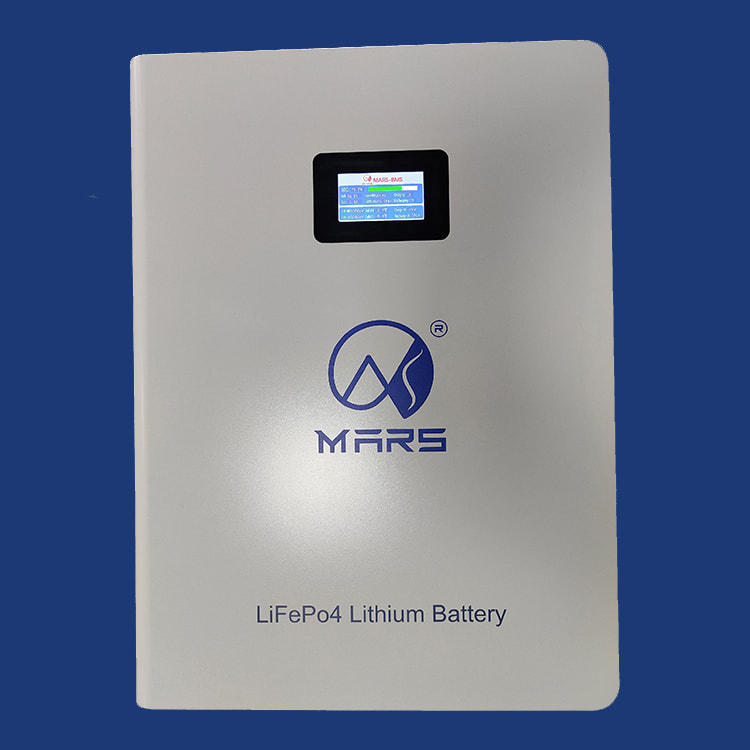
The battery's chemistry and format are component decisions, covered in depth on the component pages of this range. At system level, the decisions that matter are the list, the hours and the inverter arrangement that separates backup circuits from the rest. Get those right and the component choice has a clear specification to answer.
Changeover and the circuits nobody sees
Backup lives or dies in the wiring. The protected loads must sit on circuits the system can island — supply from storage while the grid side is disconnected — and everything else must sit outside them. This separation is unglamorous electrical work, decided at installation and painful to retrofit. Buyers should ask, in writing, which circuits the quoted configuration will carry in an outage, and should test the answer at commissioning by cutting the supply on purpose, with the installer present.
Testing deserves emphasis. A backup system that has never been tested is a hypothesis. The commissioning test takes minutes, in daylight, with the installer present, and converts the hypothesis into knowledge. Owners who skip it meet their system's true behaviour for the first time during a real outage, which is the most expensive classroom in the building.
Keeping backup honest over time
Buildings change. New appliances arrive, a room becomes an office, a freezer is added — and each addition quietly volunteers itself for the backup list by being plugged into the wrong circuit, or silently taxes the store. Keep the original list with the system's documents, and compare reality against it once in a while. The maintenance checklist on this site includes the habits that keep a backup system the system it was designed to be.
Finally, hold the planning guide close: the backup planning worksheet turns this article's argument into a fillable list. Write yours before you send an inquiry, and attach it. A supplier who receives a backup list can quote a configuration. A supplier who receives only a request for backup can quote a battery — and those are different purchases.
How backup interacts with the rest of the system
Backup does not sit beside the system; it reshapes it. The array must refill the battery as well as serve the day's loads, so a backup design can justify a larger array than the daytime consumption alone would suggest. The inverter arrangement changes, because islanding the backup circuits is a different job from feeding a grid. Even the building's wiring participates: circuits are rearranged so the protected list is physically separable. Buyers who budget backup as a battery line alone are budgeting for a fraction of the design.
There is also a rhythm to design for. A battery that is cycled gently every day as part of a hybrid pattern lives a different life from one that sits full for months and is spent only in emergencies. Neither rhythm is wrong, but the configuration should be chosen for the rhythm your grid actually imposes, and the expected pattern should be stated when the system is quoted — frequent shallow use and rare deep use ask different things of the same hardware.
What to write down before you buy
Before any quotation is requested, a backup buyer should be able to produce three short documents. The first is the protected list itself, with the hours each load must run. The second is a note of the outage pattern being planned for — frequent and short, or rare and long — because the two patterns argue for different configurations. The third is a record of where the protected circuits are, or will be, in the building's wiring, since separating them is installation work that belongs in the quotation, not in a later variation order.
None of these documents requires engineering knowledge. They require the owner's knowledge, which is the one knowledge no supplier can supply on the owner's behalf: what this building cannot afford to lose, and for how long. Suppliers can size anything once those answers exist. Without them, every figure in the quotation is a guess wearing a uniform, and the first outage will mark the guesses.
Continue planning
Ask for a configuration matched to your site
Before ordering, confirm the minimum order quantity and lead time for your configuration, and ask which documents apply to the exact system you are quoted.
Send an inquiry