Solar systems with battery backup, sized by the loads that matter
Battery backup answers one question: which loads must keep running when the grid stops, and for how long? A well-planned backup system is kept smaller than the whole building — it carries the essentials well instead of everything badly.
Choose the backup list before the battery
Write the backup list first: refrigeration, lighting, communications, security, medical or process loads that cannot pause. Then size storage against that list alone. Buyers who size the battery against the whole building pay for capacity they will rarely use, and still may not protect the loads that matter, because everything competes for the same stored energy during an outage.
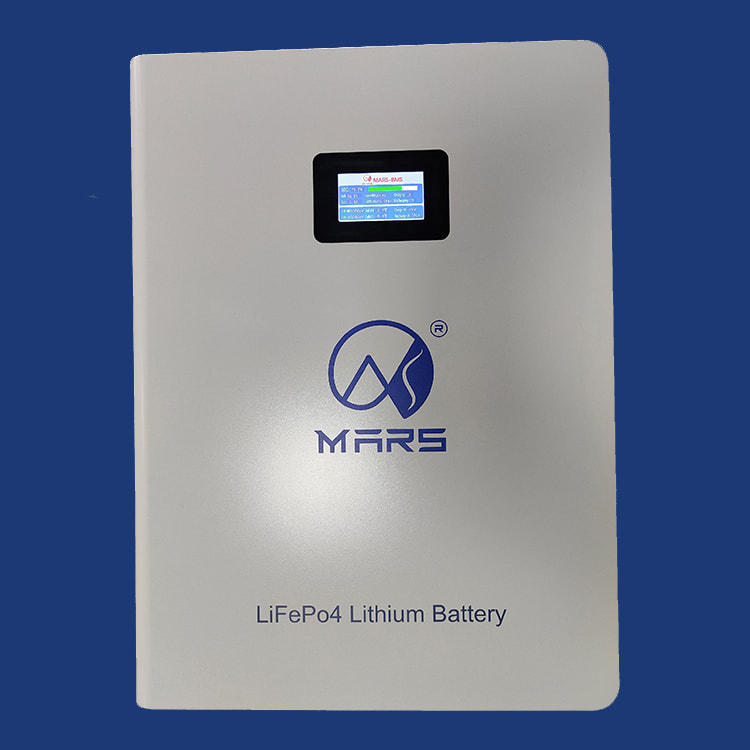
The battery itself is a component choice — chemistry, format and management — and detailed battery products are covered on the component pages. At system level, what matters is that the battery, inverter and array are confirmed as one configuration, as they are in the 5KW home system with battery backup.
Backup for homes and for buildings
For a home, backup usually means a refrigerator, lights, fans, a router and phone charging through the evening and the night. For a commercial building it may mean keeping a cold room cold, a server alive or a gate and alarm system running. The planning guide linked below turns this into a worksheet you can fill in before you send an inquiry.
Continue planning
Ask for a configuration matched to your site
Before ordering, confirm the minimum order quantity and lead time for your configuration, and ask which documents apply to the exact system you are quoted.
Send an inquiry